Heritage
The Hummocks, Barunga and the families who worked them
“Barunga” is an Aboriginal word meaning “place of meat”.
Captain John Ellis was born in England and settled in South Australia in March 1839, a little over two years after the colony was founded. He purchased grazing land around Port Gawler before moving north, almost certainly the first to graze sheep north of Port Wakefield towards the Hummocks.
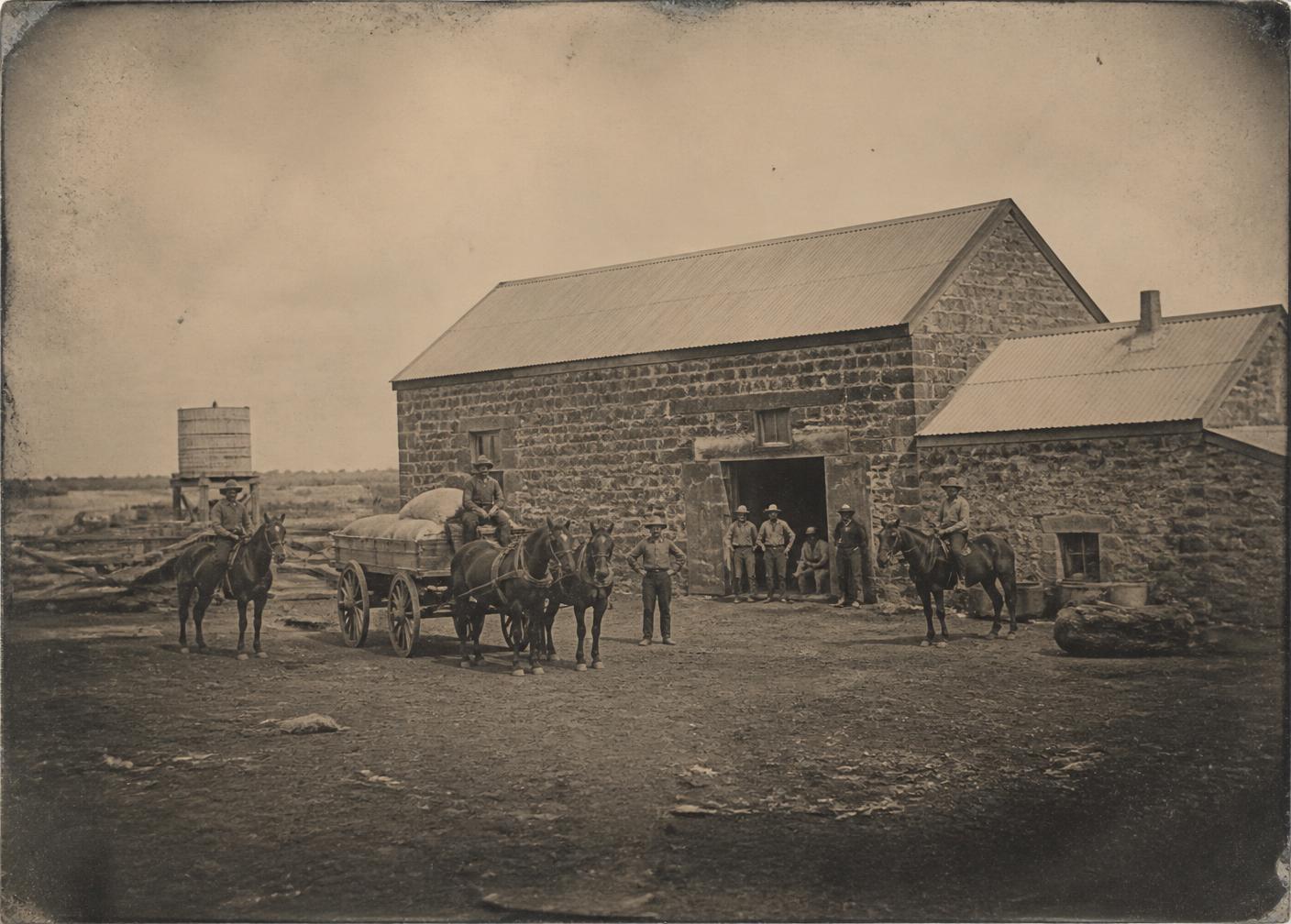
The station kept bulk supplies of groceries and issued rations to the boundary riders, the homestead and the cook in the shearers’ quarters. Each boundary rider was issued, every ten weeks, with 200 pounds of flour, 40 pounds of sugar, 28 pounds of salt and 5 pounds of tea. The Barunga homestead became the central point of the run and was later known simply as the Hummocks Station homestead.
Robert Barr Smith arrived in Adelaide in 1854 and was employed by Elder & Co; by marrying Miss Elder he became brother-in-law to Thomas Elder, and one of the colony’s most significant pastoral figures.
1845
Captain John Ellis holds country around the Hummocks under occupation licences, almost certainly the first to graze sheep north of Port Wakefield.
1851
In July, Ellis takes up the first lease of Hummocks Station.
early 1860s
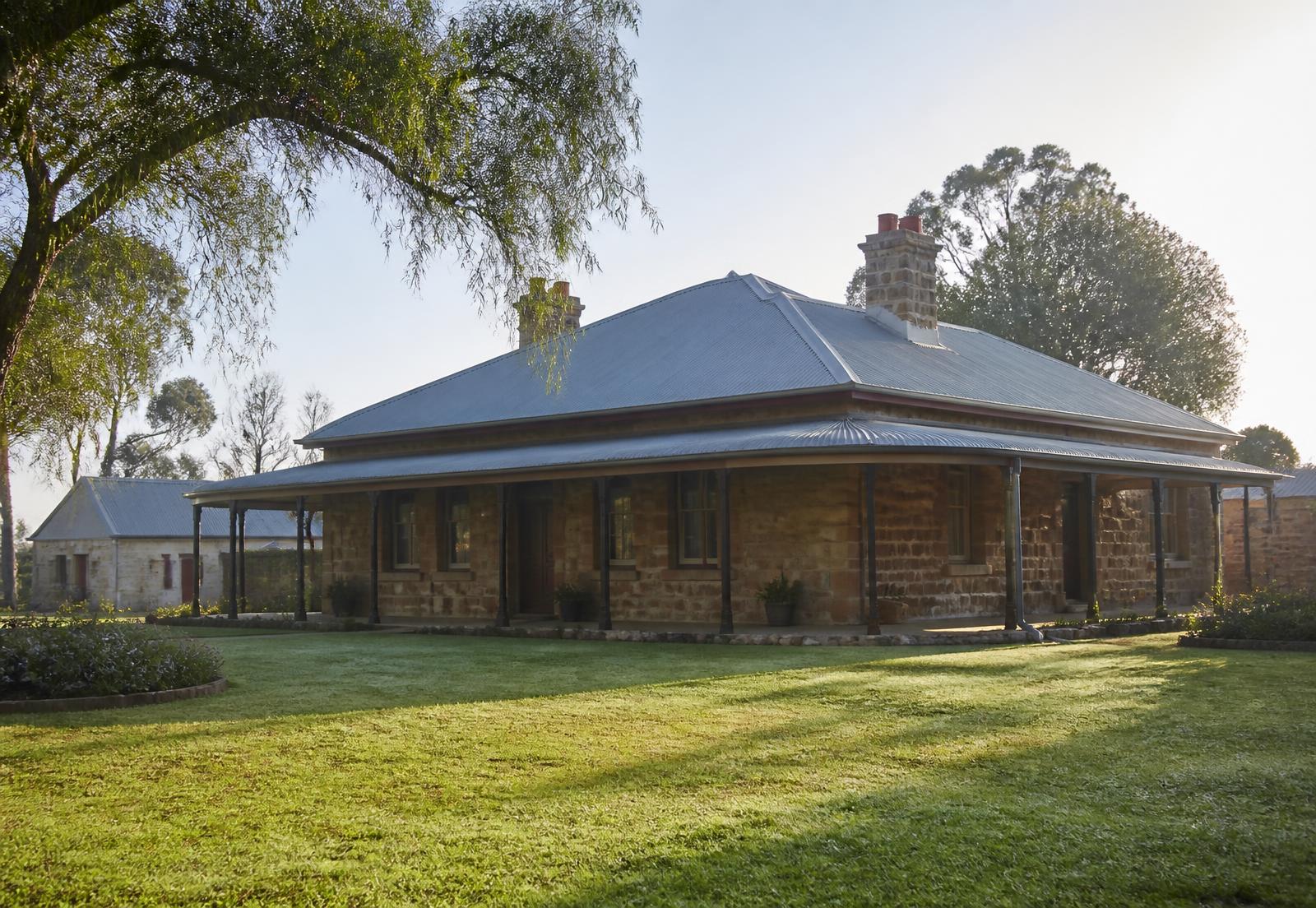
The Barunga Homestead is built — described by Surveyor-General Goyder in 1864 as a “substantial 9 roomed stone house and cellar, newly built”. A blacksmith and carpenters shed goes up alongside it.
1867
Ellis returns to England; the lease is managed by Dr Matthew Moorhouse, first Protector of Aborigines, who lives in the homestead.
1869
The station — then carrying about 25,000 sheep — is sold to a partnership between Robert Barr Smith and John Maslin, who also ran Bundaleer and Warrakimbo.
1886
The partnership dissolves. Barr Smith employs a manager, George Murray; George Matheson is appointed overseer in 1900.
Today the Michael family — one of the original families to farm the region — still farm properties adjoining Hummocks Station. The ironstone buildings have been restored rather than replaced, and guests stay inside the same walls the station has always had.
Stay in the Homestead